baseboard repair Mountain View CA is usually searched after a homeowner has tried living with a visible problem for too long. In Mountain View, the most common frustrations include baseboard gaps after flooring, short door casing, uneven shoe moulding. Those symptoms may look small, but finish work sits at eye level and affects how a room operates, photographs, and feels every day.
Customer-story note: this is a privacy-protected composite based on recurring project patterns in Mountain View and nearby Santa Clara County communities. It is not a named testimonial or a promise that every property will have the same conditions, price, schedule, or result. After new flooring was installed, one room had a visible gap below the baseboard and several casing legs stopped short of the finished floor. Filling everything with caulk would have left wide, dirt-catching joints.
The useful goal was not simply to hide the symptom. It was to understand why the baseboard and trim repair problem appeared, define a paint-ready finish standard, and prevent avoidable repeat work. A fast patch can fail when loose material, movement, moisture history, weak attachment, or an incompatible profile is left behind.
Mountain View homes range from older properties with repeated repairs to newer homes with settlement, flooring changes, move-in mounting damage, and seasonal movement. Local routing is confirmed from the project address, photos, access, parking, building rules, and current schedule before service is promised.
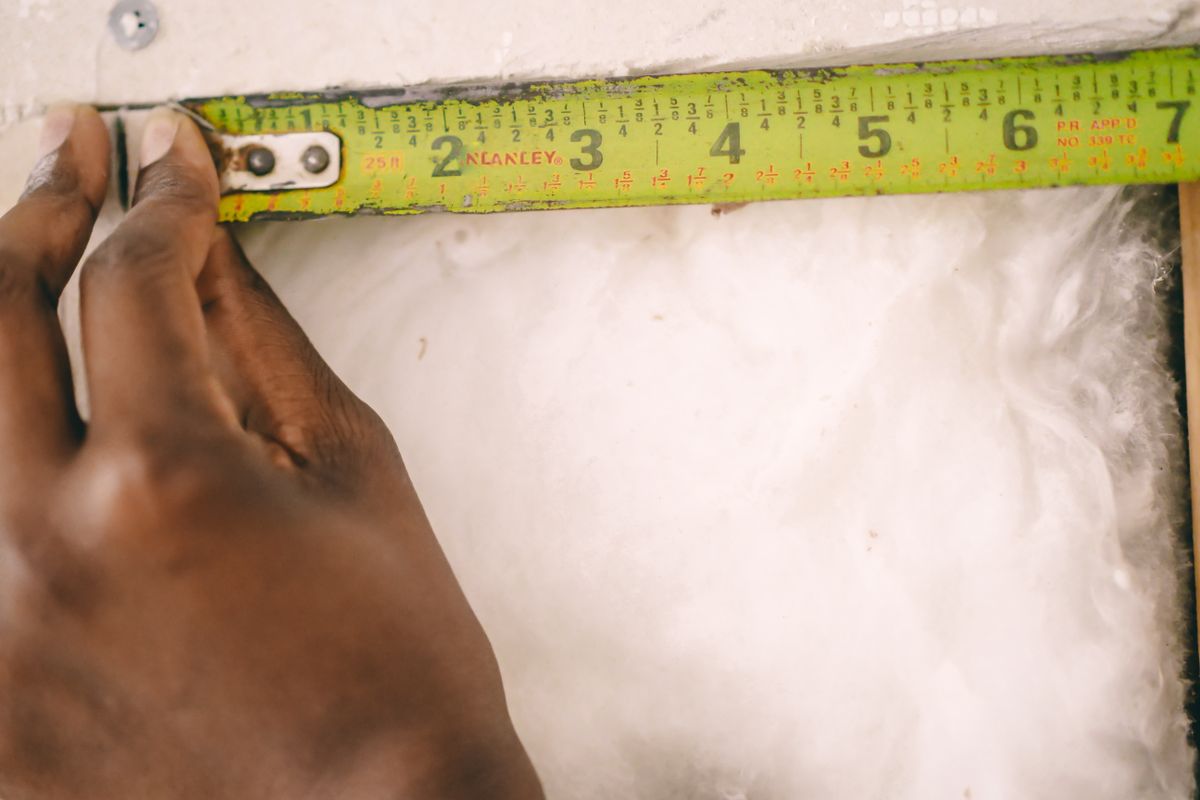
The diagnostic step matters. The existing profile, flooring height, wall variation, casing cuts, inside corners, and transition points were measured before deciding between resetting trim and adding shoe moulding. Photos help the office prepare, but an onsite check may still be required when the cause is concealed or when movement, moisture, utilities, fire-rated assemblies, lead-safe work, or structural conditions could change the scope.
A clear estimate should describe profile matching, linear footage, removal risk, shoe or baseboard installation, copes, miters, returns, nail fill, caulk, and paint-ready preparation. It should also identify protection, dust control, material responsibility, paint inclusion or exclusion, cleanup, concealed-condition handling, and how any change is approved. That lets the homeowner compare complete scopes instead of comparing two prices for different work.
The practical workflow is to send one wide photo and one close photo, include approximate measurements, explain when the symptom started, and describe the finish expected. TrueFinish then reviews the request, confirms whether it fits the door, drywall, or trim specialty, provides the next step, and schedules approved work through the service office.
The composite finish plan created a consistent line around the room without using oversized caulk joints as a substitute for carpentry. The success standard is a dependable repair and a surface that looks intentional in normal room lighting. Existing paint age, texture, material availability, and concealed damage can affect how closely a repair blends, so those limits should be discussed before work begins.
Before hiring for this problem, ask whether the estimate distinguishes diagnosis from finish work, names the materials and rooms included, explains paint responsibility, and describes what happens if hidden damage appears. Be cautious of a price based only on one close photo when the surrounding opening, wall, ceiling, floor, or trim run affects the repair. A better scope gives both the customer and service team the same completion checklist.
TrueFinish coordinates focused baseboard and trim repair requests in Mountain View and selected California service routes. Call or text 209-299-1465, or use the secure request form with the address, photos, timing, and the outcome you want.