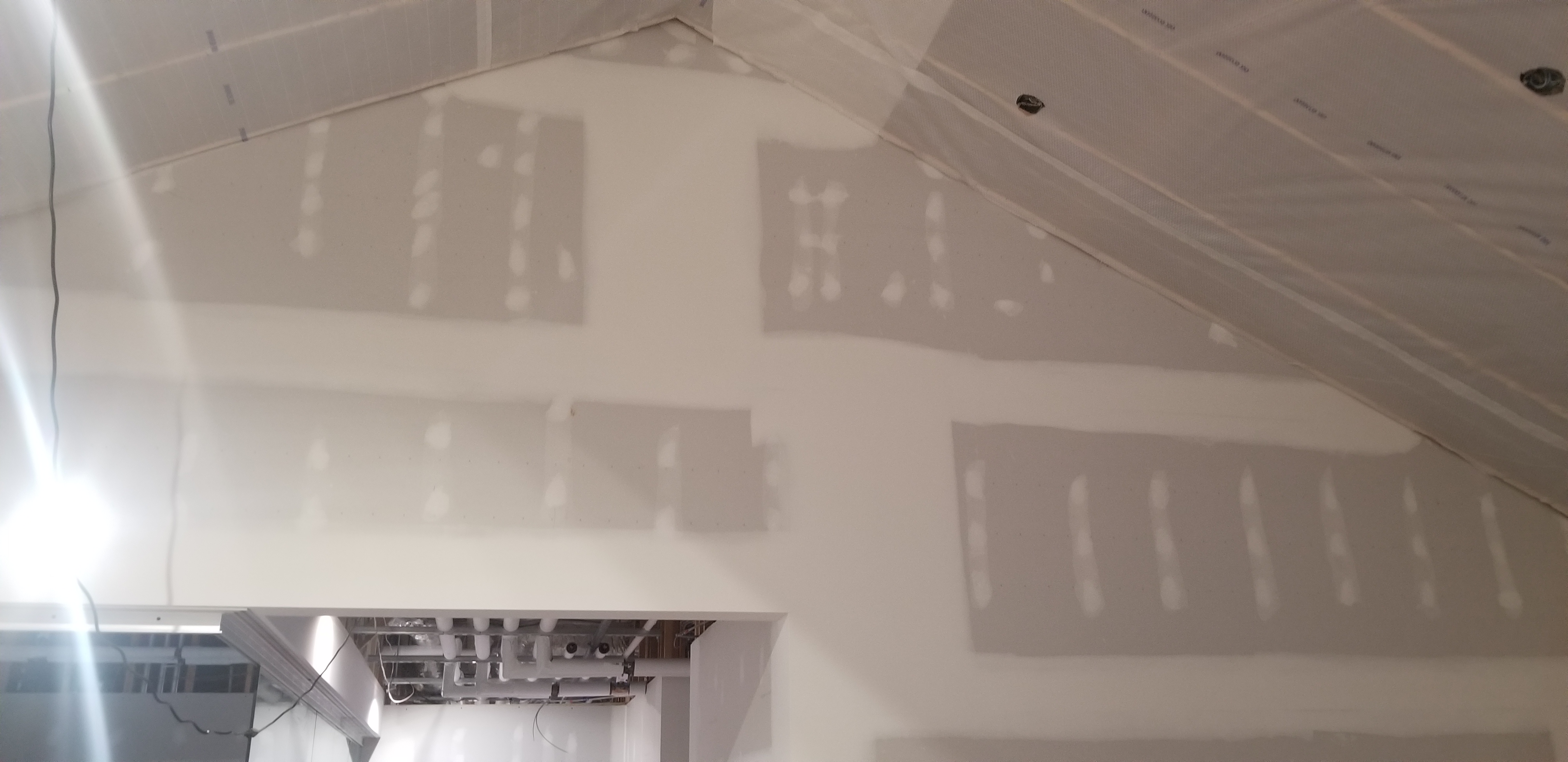
A new ceiling stain, soft wall surface, bubbling paint, musty odor, or swollen baseboard is a reason to act now, not a cosmetic item to add to next year's list. These symptoms often begin with water from plumbing, roofing, windows, appliances, or condensation. Covering the mark with paint can hide the evidence while the underlying material continues to deteriorate.
Start by protecting people and property. If water is near a light fixture, outlet, or energized equipment, keep clear and contact the appropriate emergency or electrical professional. If water is actively entering, stop the source when it is safe to do so and call the plumber, roofer, restoration provider, building manager, or other source specialist the situation requires.
Document the condition before cleanup. Take one wide photo that shows the room and one close photo that shows the stain, soft edge, peeling paint, or swollen trim. Note when you first saw it, whether it is growing, what happened immediately before it appeared, and whether the surface feels damp. This information helps the repair office separate an active water event from an older, dry finish defect.
Drying is not the same as finish repair. Wet drywall can lose strength, paper can separate from gypsum, fasteners can rust, and MDF trim can swell beyond a clean repair. The correct scope may include selective removal, new backing, board replacement, tape, compound, texture, primer, and trim replacement. The visible stain alone does not define the full repair.
Moisture conditions also change who should handle the first phase. Extensive water damage, contaminated water, visible growth, a strong persistent odor, or health concerns can require qualified water-damage or remediation help before a finish specialist closes the wall. TrueFinish focuses on door, drywall, trim, texture, and paint-ready restoration after the source and any required remediation are addressed.
Do not sand, scrape, or open a questionable area just to see what is behind it. Older California homes may also require lead-safe planning when painted surfaces will be disturbed. Include the property's approximate age in the request so the service office can identify questions that should be resolved before work begins.
Once the source is corrected and the area is dry, send a repair request with the address, room, photos, approximate dimensions, texture type, trim profile, and whether painting is expected. A complete request makes it easier to plan protection, materials, drying verification, texture matching, and the boundary between repair and final paint.
The fastest path to a clean finish is the right sequence: stop the water, document the damage, confirm the area is dry and safe, then repair the drywall and trim. Starting that process today can prevent a small visible symptom from becoming a larger opening, longer trim run, or repeated paint failure.